Assessing the situation on a Connecticut lawn
Homeowners in Connecticut often do a little routine care themselves, but some issues need a pro. A quick rule of thumb is to start simple and escalate only when you’re unsure or the problem repeats. Our team of lawn care specialists covers statewide needs with practical, no-nonsense advice and consistent results.
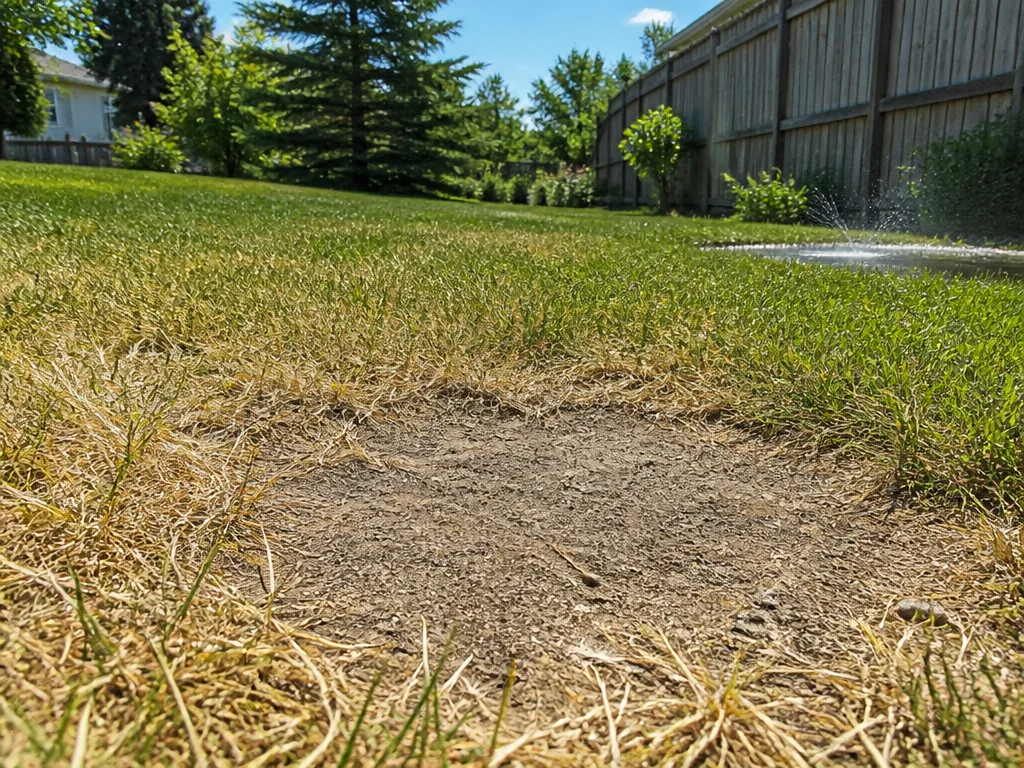
Begin with the basics: proper mowing height, timely watering, and a plan for seasonal feeding. If you notice persistent yellowing, thinning, or bare patches across multiple areas, that’s a signal to bring in a pro. Connecticut climates can stress lawns in surprising ways, so relying on local expertise helps avoid common missteps.
When DIY makes sense
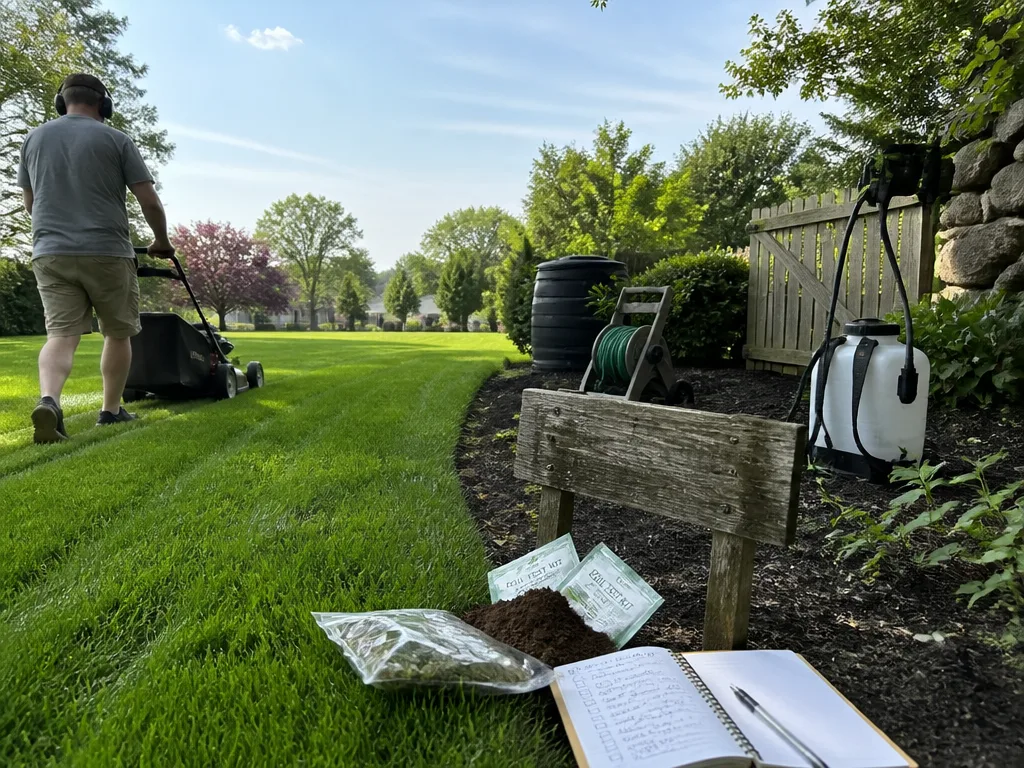
For routine maintenance, such as mowing on the correct height, trimming edges, and light debris removal, a homeowner can handle it. If you have a regular schedule and a simple lawn, DIY can keep things steady. In Connecticut, keeping a consistent routine and using the right mower settings is often enough to maintain a healthy look between professional visits.
When to call a lawn care specialist
If you notice recurring yellow patches after a couple of weeks, or if the soil stays too dry or too wet in the same spots, it’s time to call a pro. A lawn care specialist will check soil conditions, irrigation timing, and sun exposure across the property. They can adjust feeding plans, improve soil structure, and tailor a schedule for the current season and future ones.
Another red flag is weed pressure that seems to outpace your efforts. A pro can identify weed types and apply targeted methods that fit Connecticut lawn varieties without overwatering or overfertilizing.
Practical steps to reduce the need for frequent calls
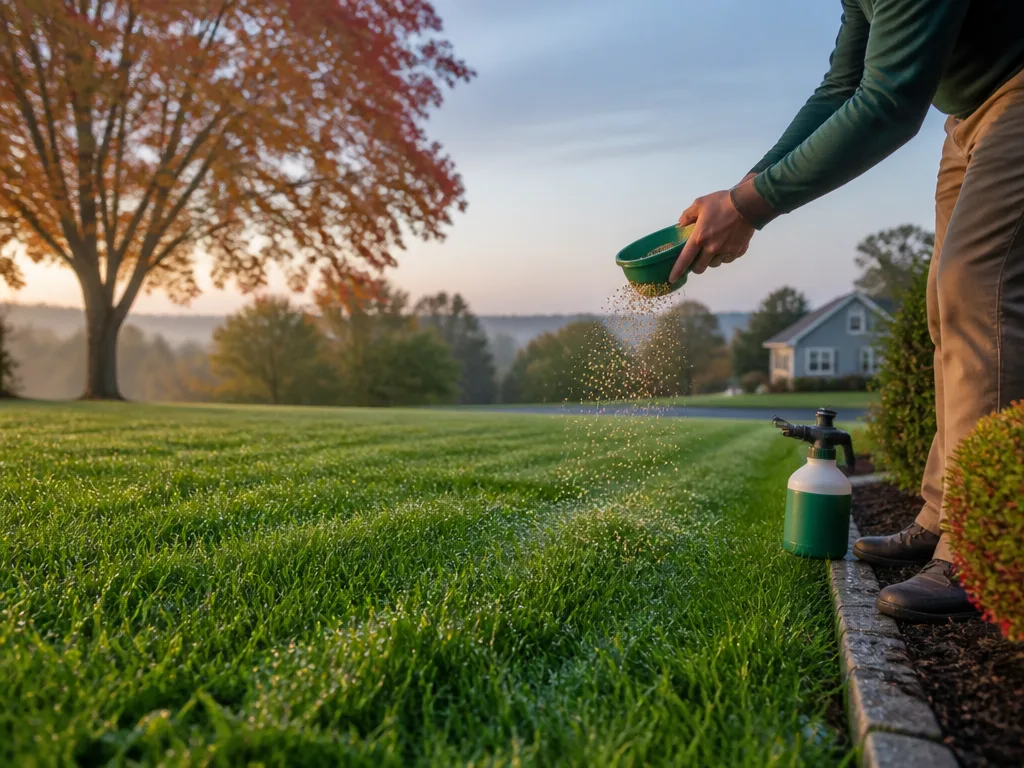
Set a regular mowing cadence, sharpen blades, and keep blades at the right height for your grass. Water deeply but less often to encourage deep roots. Use a slow-release fertilizer aligned with the growing season, and avoid overfeeding. If you’re unsure about any step, start with a quick consultation with a lawn care specialist to build a simple, workable plan for statewide Connecticut conditions.